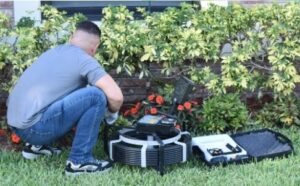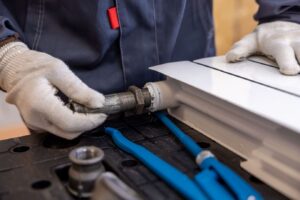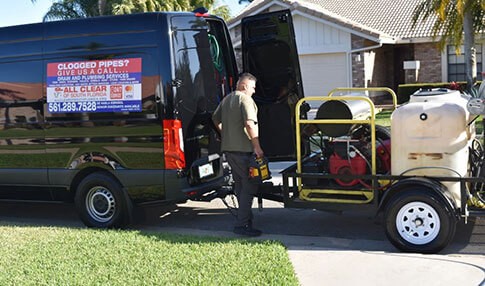
A plumbing emergency can cause serious water damage in just a few minutes, so knowing what to do first matters. A burst pipe, overflowing toilet, blocked drain, or leaking water heater can happen at any time. When water starts spreading through your home, staying calm is important. You should not try to fix a major problem by yourself.
Instead, stop the water if it is safe, protect your belongings, and call Plumbers in Pompano Beach FL for professional help. The steps below can help you stay safe and reduce damage while you wait for a plumber to arrive.
1. Shut Off the Water Supply
The first thing to do during most plumbing emergencies is to stop the water. If the problem is coming from a toilet, sink, or other fixture, look for the small shut-off valve nearby. Turn it clockwise to stop the water.
If you cannot find the valve or the leak is large, turn off the main water supply to your home. This can help prevent more water from entering the damaged pipe or fixture. It is a good idea to learn where your main shut-off valve is before an emergency happens. Make sure other people in your home know where it is, too.
2. Protect Electrical Areas
Water and electricity can be very dangerous when they come into contact.
If water is near electrical outlets, appliances, extension cords, or your electrical panel, stay away from the area. Never walk through standing water to reach an electrical switch.
If you can safely turn off the power from a dry location, follow your home’s safety plan. If you cannot reach the electrical panel safely, wait for a trained professional.
Your safety is more important than saving furniture, carpets, or other belongings.
3. Contain What You Can
After stopping the water, try to control small amounts of water if it is safe. Use towels, buckets, or other items that can soak up or collect water. Move furniture, rugs, electronics, toys, and other items away from the wet area.
Be careful if you see water coming from the ceiling. A wet ceiling can become weak and may fall. Do not stand directly underneath it. If there is a large amount of water, do not worry about cleaning everything yourself. Stay in a safe area and wait for professional help.
4. Avoid Quick Fixes That Could Make Things Worse
When a drain is blocked or a pipe is leaking, you may want to fix it quickly. However, some quick fixes can make the problem worse. Avoid using strong chemical drain cleaners when you are already waiting for a plumber. Do not keep pushing tools into a drain if you do not know what is blocking it.
A clogged drain may have a deeper problem. The blockage could be farther inside the drain or sewer line. A professional plumber can inspect the system and find the real cause.
5. Identify the Source, Only If It Is Safe
You do not need to figure out the whole problem yourself. However, knowing where the trouble started can help the plumber.
Look for simple signs such as:
- Water coming from a pipe or fixture
- A toilet that keeps overflowing
- Several drains that are blocked
- A strange smell near a drain
- Water around a wall or floor
- A sudden drop in water pressure
- Gurgling sounds coming from drains
If it is safe, take a few photos or videos of the problem. You can show them to the plumber when they arrive. This information may help them understand what happened.
6. Call for Professional Help Promptly
Some plumbing problems need fast attention. This is especially true when water will not stop flowing, sewage is coming into the home, or a large pipe has broken.
When contacting Plumbers in Pompano Beach FL, explain what happened. Tell them where the problem is, whether you turned off the water, and whether you see standing water.
All Clear of South Florida offers 24-hour emergency service. We serve Palm Beach, West Palm Beach, North Broward, and nearby areas. Our services include emergency plumbing, drain cleaning, leak detection, sewer and drain inspection, and hydro-jetting.
7. Prepare for the Technician’s Arrival
While you wait for the plumber, make it easy and safe for them to reach the problem.
Clear boxes, furniture, toys, and other items from the area if you can do so safely. Keep children and pets away from the work area.
If you rent your home, tell your landlord or property manager about the problem. If there is major water damage, take pictures for your records.
Do not turn the water back on just because the leak seems to have stopped. A hidden leak may still be present.
When Is a Plumbing Problem an Emergency?
Not every plumbing problem needs emergency service. A small dripping faucet, for example, may be handled during a regular appointment.
However, some problems should be handled quickly. These can include:
- A burst or badly leaking pipe
- Sewage backing up into your home
- Water that will not stop flowing
- A toilet that keeps overflowing
- A large water heater leak
- A serious drain blockage
- Water spreading across floors or walls
If the problem can damage your home or create a safety or sanitation concern, getting professional help quickly can be important.
Stay Prepared Before the Next Plumbing Emergency
A plumbing emergency can feel scary, but knowing what to do can help you stay calm and protect your home. Learn where your main water shut-off valve is and keep towels, buckets, and basic supplies nearby. Never take risks around electricity or large amounts of water.
When you need professional assistance, we at All Clear of South Florida are ready to help with emergency plumbing and drainage concerns. Contact us when you need reliable Plumbers in Pompano Beach FL for prompt professional assistance.
Frequently Asked Questions
1. Q – What should I do first during a plumbing emergency?
A – If it is safe, turn off the water supply first. Then move away from electrical hazards, protect your belongings, and call a qualified plumber for help.
2. Q – Should I use chemical drain cleaner before a plumber arrives?
A – It is better to avoid using strong drain chemicals when you need professional help. If you already used one, tell the plumber so they can take the right safety steps.
3. Q – How do I know if a clogged drain is an emergency?
A – One slow drain may not be an emergency. However, several blocked drains, sewage coming back through a drain, bad odors, or quickly worsening backups can mean there is a bigger problem.
4. Q – Can I stay in my home during a plumbing emergency?
A – It depends on the situation. Major flooding, sewage, electrical dangers, or other serious hazards may make an area unsafe. Move to a safe place and follow professional safety advice.
5. Q – What information should I give an emergency plumber?
A – Tell the plumber what happened, where the problem began, and how quickly it became worse. Let them know if you turned off the water or see standing water. Photos can also help.